
Expert Picks For Tree Removal Equipment And Supplies
Discover essential tools and gear favored by arborists and DIY enthusiasts to handle tree removal projects with confidence and precision.
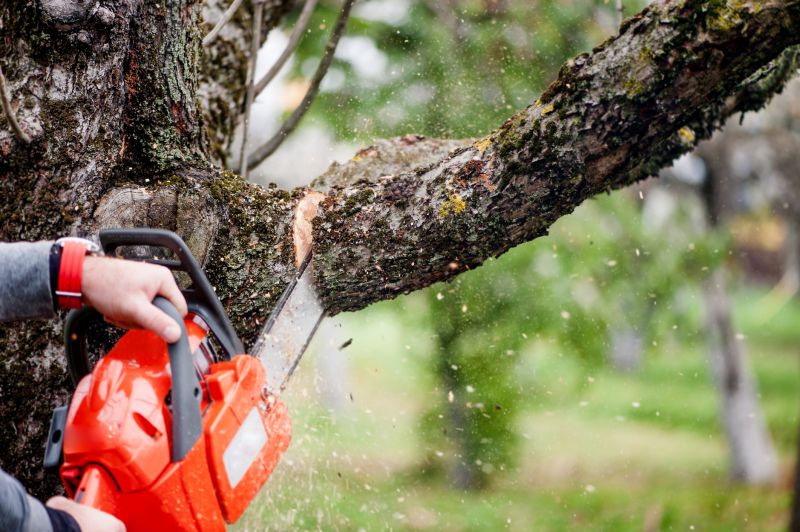 Tree removal is a significant task that requires careful consideration of the tools and equipment used to ensure safety and efficiency. Whether managing overgrown branches, removing dead or hazardous trees, or clearing space for new landscaping projects, having the right products can make the process smoother. In Redmond, WA, where lush greenery is common, residents and professionals alike seek reliable tools to handle tree removal tasks effectively.
Top Overall Option
Heavy-Duty Gas-Powered Chainsaw
A versatile and powerful gas-powered chainsaw is often considered an essential for tree removal tasks. It offers the ability to cut through large branches and trunks with relative ease, making it suitable for both professional arborists and experienced homeowners. Features to look for include a durable bar and chain, easy start mechanisms, and safety features such as chain brakes and anti-vibration handles. Proper maintenance and safety precautions are necessary to ensure optimal performance and safety during use.
Types of Products For Tree Removals
Electric Chainsaws
Electric chainsaws provide a quieter alternative to gas-powered models, suitable for smaller trees and pruning tasks. They are lightweight, easy to start, and require less maintenance, making them ideal for residential use.
Gas-Powered Chainsaws
Gas-powered chainsaws deliver high power and mobility, capable of handling large trees and heavy-duty cutting. They are favored by professionals for their performance and range.
Pruning Saws
Pruning saws feature curved blades designed for trimming branches and small trees. They are useful for detailed cutting and shaping tasks.
Pole Saws
Pole saws extend reach capabilities for cutting high branches without the need for ladders. They come in manual, electric, and gas-powered variants.
Loppers
Loppers are long-handled cutting tools ideal for trimming thick branches within reach, providing leverage for easier cuts.
Hand Pruners
Hand pruners are suitable for detailed trimming and shaping of smaller branches and foliage.
Chainsaw Chaps
Protective chaps designed to prevent injury from chainsaw accidents, essential for safety during cutting tasks.
Safety Helmets and Face Shields
Protective headgear and face shields safeguard against falling debris and wood chips during tree removal.
Ropes and Harnesses
Ropes and harnesses aid in controlled tree climbing and branch removal, enhancing safety and precision.
Debris Chippers
Chippers convert branches and small trunks into mulch, helping manage debris after tree removal.
Tree Stumps Grinders
Stump grinders are used to remove remaining stumps after a tree has been cut down, facilitating landscaping or replanting.
Lifting and Climbing Gear
Equipment such as ladders, climbing spikes, and harnesses assist in reaching high branches safely.
Tree Removal Nets
Nets help catch falling debris, protecting property and people below during removal activities.
Popular Choices
Offering portability and ease of use, cordless chainsaws are popular for small to medium tasks around the yard.
These extendable tools are favored for reaching high branches without ladders, combining convenience and safety.
Manual saws are lightweight and require no power source, making them a common choice for quick trimming jobs.
Battery-powered models balance power and portability, suitable for a variety of tree removal tasks.
Loppers with long handles are popular for cutting thicker branches with minimal effort.
Complete safety gear packages are widely used to ensure protection during tree removal projects.
Climbing spikes are favored by professionals for accessing high branches securely.
Mulching tools are popular for managing debris and preparing mulch from removed branches.
Stump removal equipment remains a common choice for complete yard cleanup after tree removal.
These systems facilitate controlled lowering of heavy branches and trunks, enhancing safety and precision.
Proper planning is essential when approaching tree removal. It involves assessing the size and type of the tree, the surrounding environment, and safety precautions. Using appropriate equipment minimizes risks and helps achieve cleaner cuts and safer operations. From handheld pruning tools to heavy-duty equipment, selecting the right products depends on the scope of the project.
Safety should always be a priority. Protective gear such as gloves, helmets, and eye protection are necessary complements to the main tools. Additionally, understanding the different types of removal equipment available can help users choose options that match their experience level and the complexity of the job. Investing in quality tools can also improve efficiency and reduce physical strain during the process.
Overall, the right set of products for tree removal can facilitate safer, cleaner, and more manageable projects. Whether for occasional yard maintenance or professional tree services, understanding the available options ensures that users are well-equipped to handle various removal scenarios with confidence and safety.
Key Buying Considerations
- Tree size and type determine the most appropriate tools and equipment needed.
- Power source preferences include electric, battery, or gas, each with their own advantages and limitations.
- Safety features such as chain brakes, anti-vibration handles, and protective gear are essential.
- Ease of use and user experience level should influence the choice of manual versus powered tools.
- Durability and build quality impact the longevity and performance of the equipment.
- Reach capabilities are important for high branches; extendable tools can improve safety and efficiency.
- Weight of the equipment affects handling and fatigue during use.
- Compatibility with existing tools and accessories can enhance versatility.
- Maintenance requirements should be considered for long-term usability.
- Budget constraints may influence the selection of features and brand options.
- Local regulations or safety standards may dictate certain equipment features or certifications.
- Availability of replacement parts and customer support can affect ongoing maintenance.
- Noise levels might be a consideration for residential areas or noise-sensitive environments.
- Storage and transportation convenience can influence overall satisfaction with the equipment.